论文封面图/代表性图像

Abstract

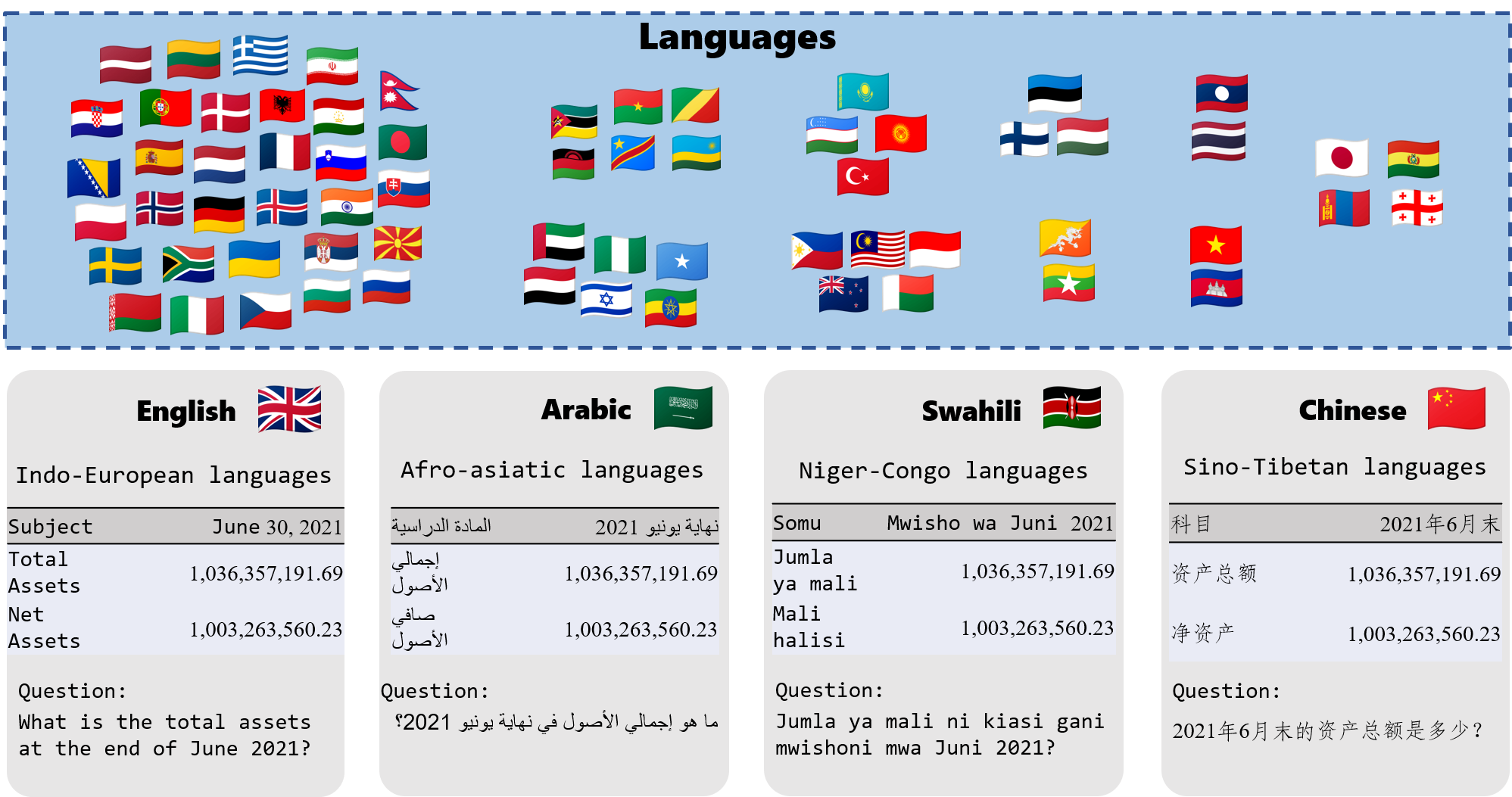
Tabular data is a fundamental component of real-world information systems. However, existing multilingual table benchmarks suffer from geolinguistic imbalance - overrepresenting certain languages and lacking sufficient scale for rigorous cross-lingual analysis. To address these limitations, we introduce m3TQA, which is a comprehensive framework for massively multilingual multitask table question answering, including subsequent datasets m3TQA-BENCH and m3TQA-INSTRUCT, featuring tables expanded to 97 languages from Chinese and English sources. m3TQA-BENCH includes 6,606 professionally annotated question-answering pairs across four tasks designed to evaluate nuanced table reasoning capabilities. Additionally, we synthesized the training set m3TQA-INSTRUCT in 97 languages using Large Language Model (LLM). Experiments on state-of-the-art LLMs reveal critical insights into cross-lingual generalization, demonstrating that synthetically generated, unannotated training data can significantly boost performance, particularly for low-resource languages. m3TQA establishes a new standard for multilingual table understanding, providing both a challenging evaluation platform and a scalable methodology for future research.

论文封面图/代表性图像

Main Content

Data sets
Attention-ResUNet模型架构图
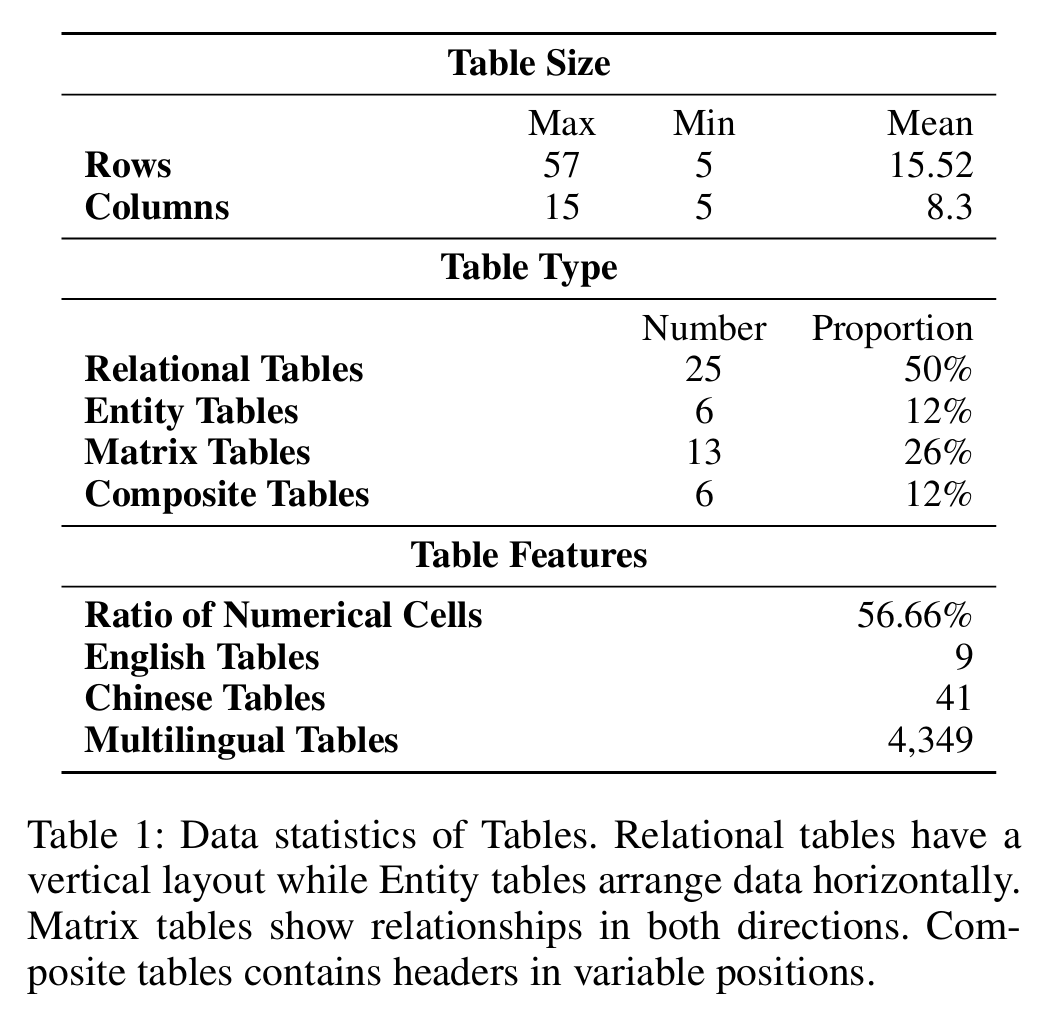
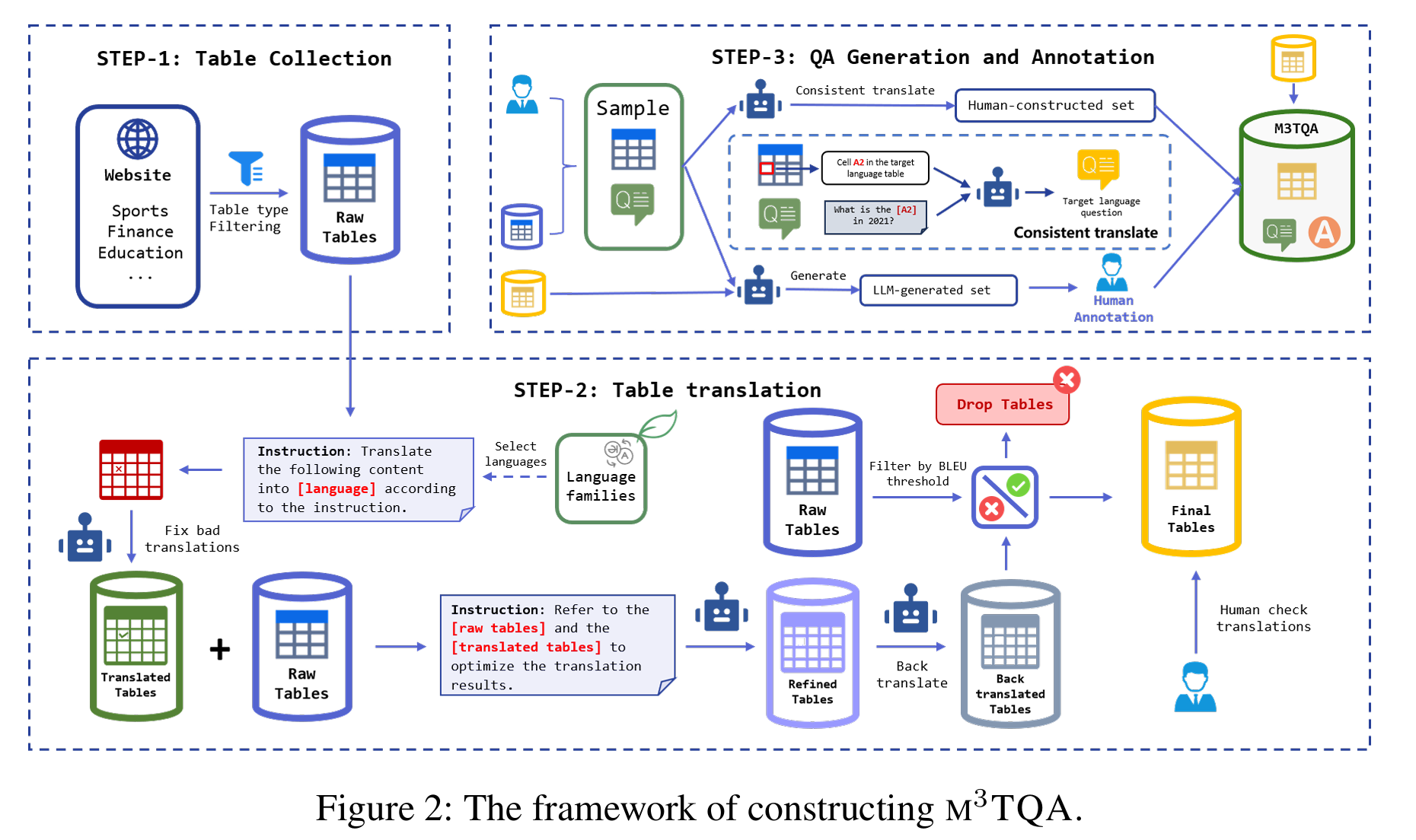
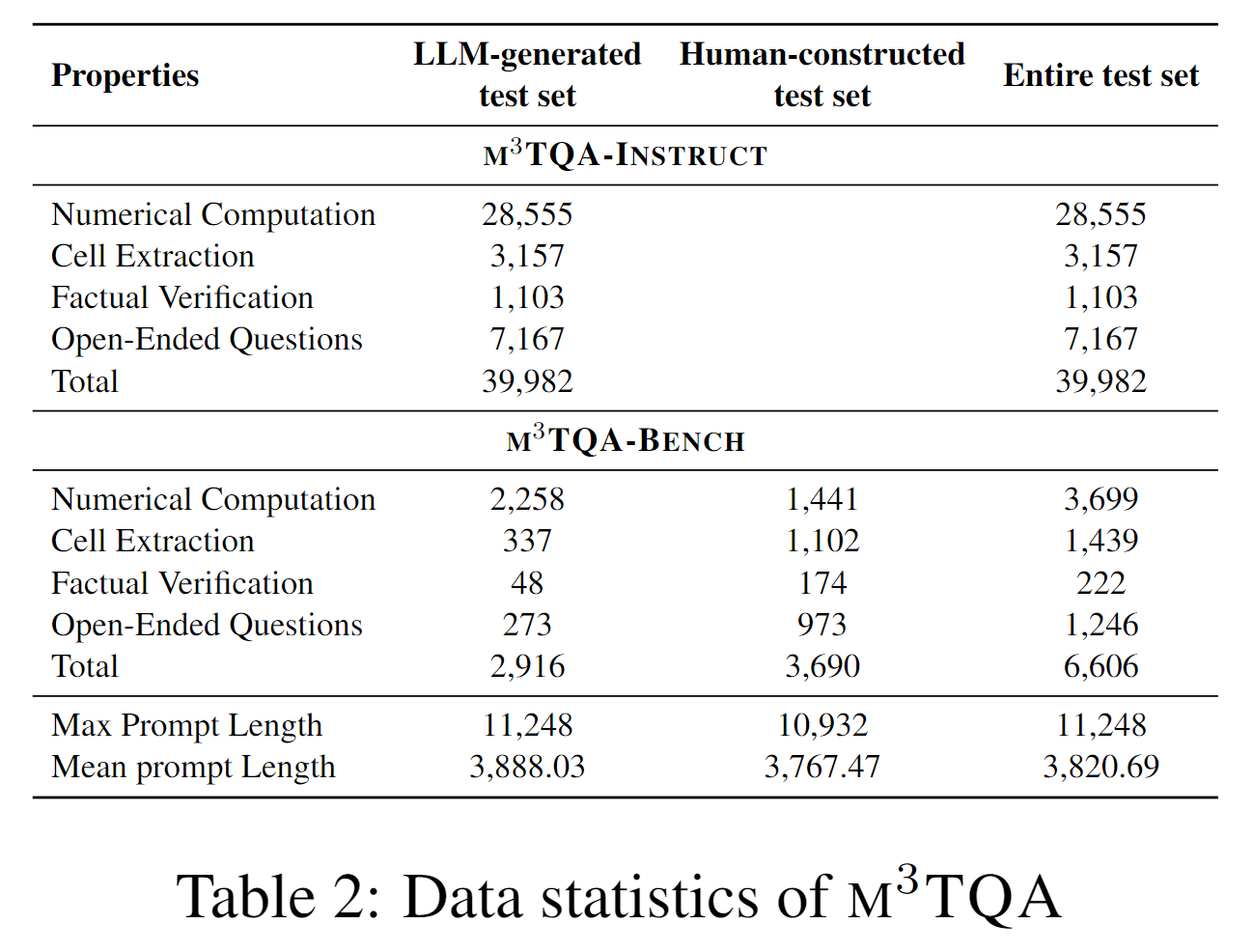
We present m3TQA (Massively Multilingual Multitask Table Question Answering), a curated dataset designed for multilingual multitask table QA. The dataset originates from 50 source tables in English and Chinese. Through a six-step procedure, we extend it to 97 languages. Question-answer pairs are constructed via a hybrid approach combining human annotation and LLM generation. This yields a linguistically diverse resource that authentically reflects real-world multilingual challenges in table QA tasks.
Attention-ResUNet模型架构图

Task Definition

(1) Numerical Computation: This category involves numerical operations such as aggregation, counting, or calculations based on tabular data.

(2) Cell Extraction: Answers require retrieving content from one or multiple table cells.

(3) Factual Verification: Answers are restricted to binary outcomes (yes/no).

(4) Open-Ended Questions: Open-ended questions answered using natural language.
Attention-ResUNet模型架构图

Experimental results and analysis

Attention-ResUNet模型架构图 Attention-ResUNet模型架构图

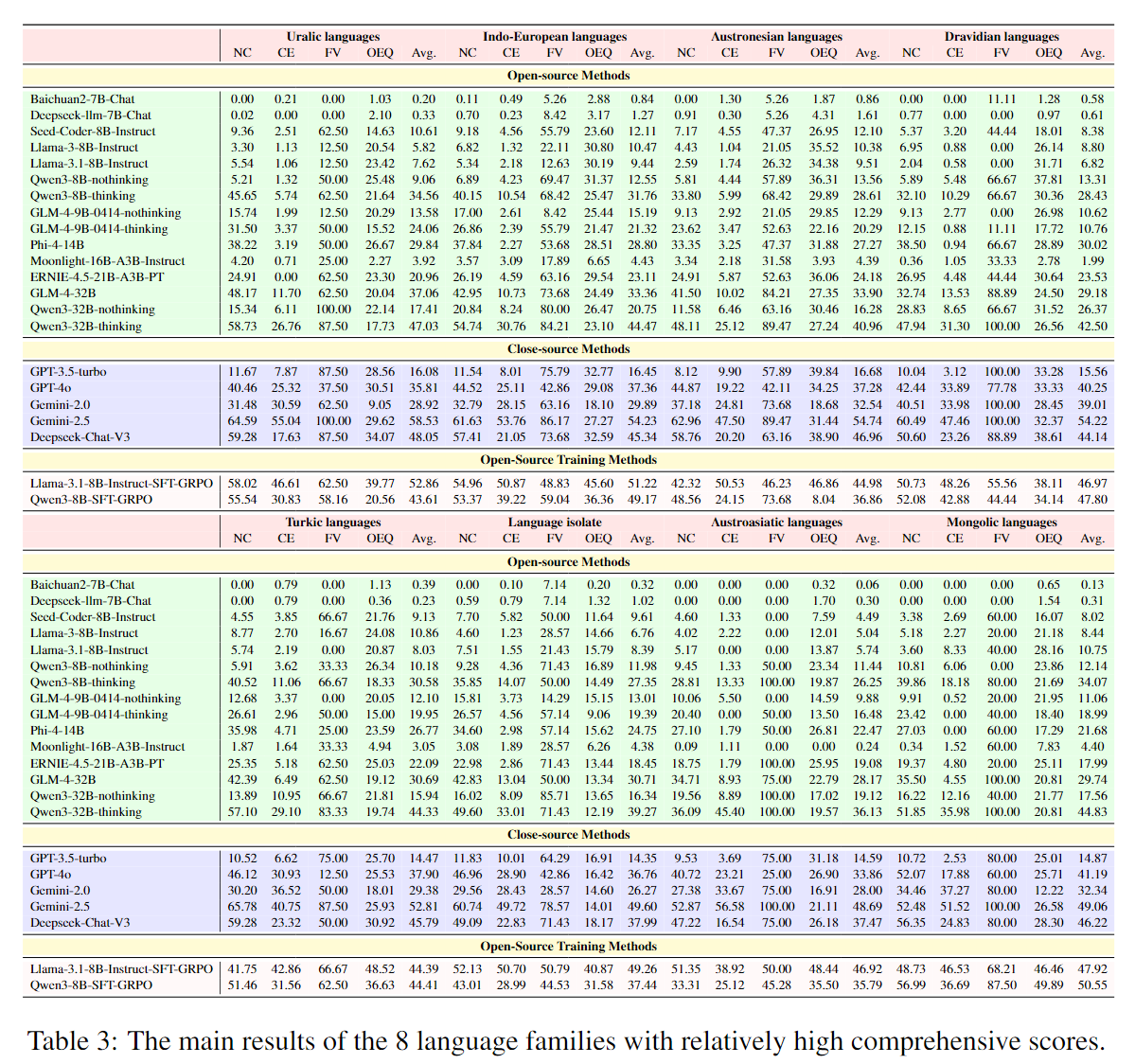
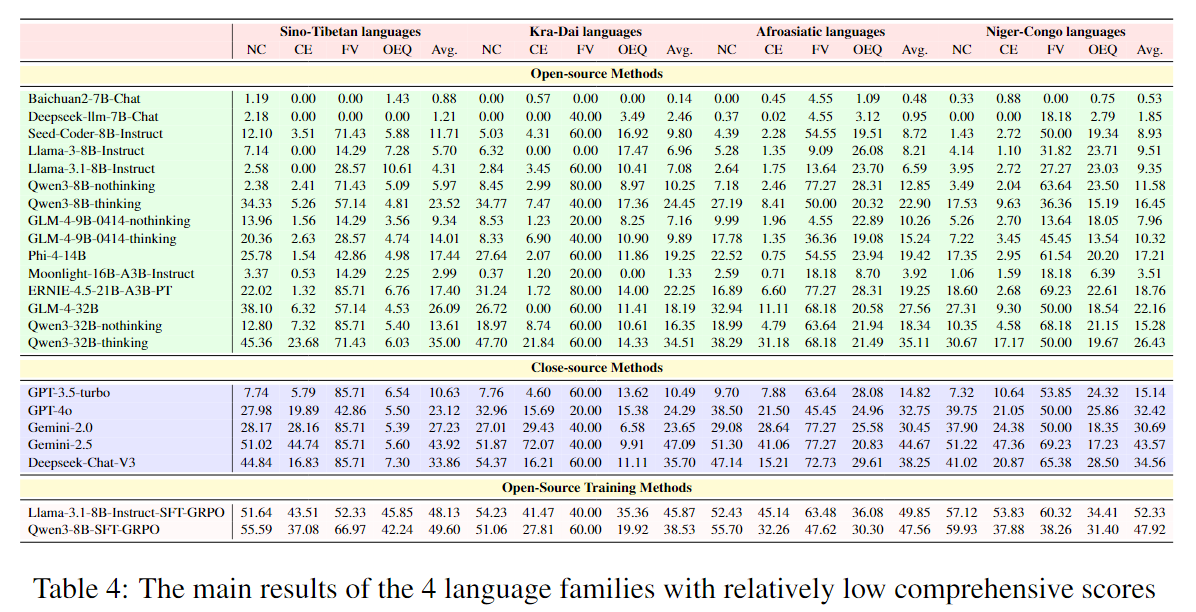
Main results: Among open-source LLMs, the Qwen3 series demonstrate superior overall performance, while Gemini-2.5 maintains the highest performance level in proprietary models. Regarding task categories, "Factual Verification" achieves optimal results. As model scale increases, the most substantial improvements are observed in "Numerical Computation" tasks.

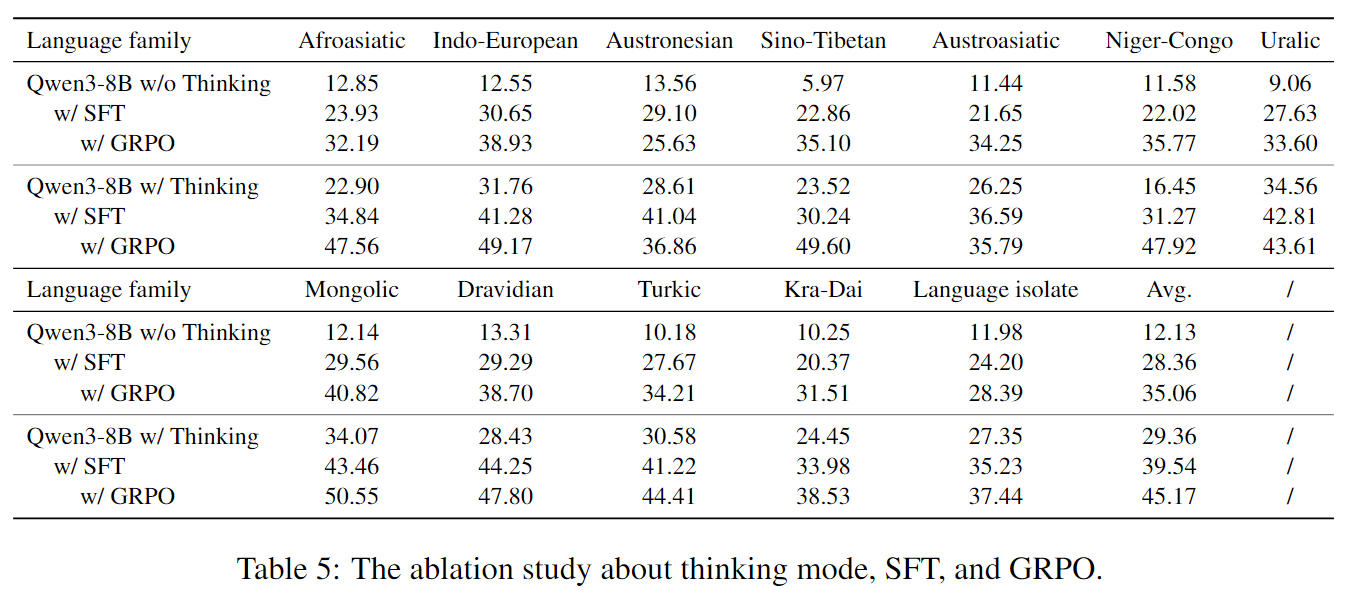
We implement SFT and GRPO on two base models: Qwen3-8B and Llama-3.1-8B. Results demonstrate that these approaches substantially enhance performance across most language families and tasks. The fully-trained Llama-3.1-8B model yields state-of-the-art performance among open-source LLMs, ranking second only to Gemini-2.5 among all LLMs, which further validates the efficacy of our proposed training methodology and dataset curation strategy.
Attention-ResUNet模型架构图

Ablation study: The systematic incorporation of thinking capabilities yields significant incremental gains at different training stages: Base pre-training (17.23 points), SFT (11.18 points), and GRPO (10.11 points). These results demonstrate its essential role in enhancing complex multilingual table understanding.

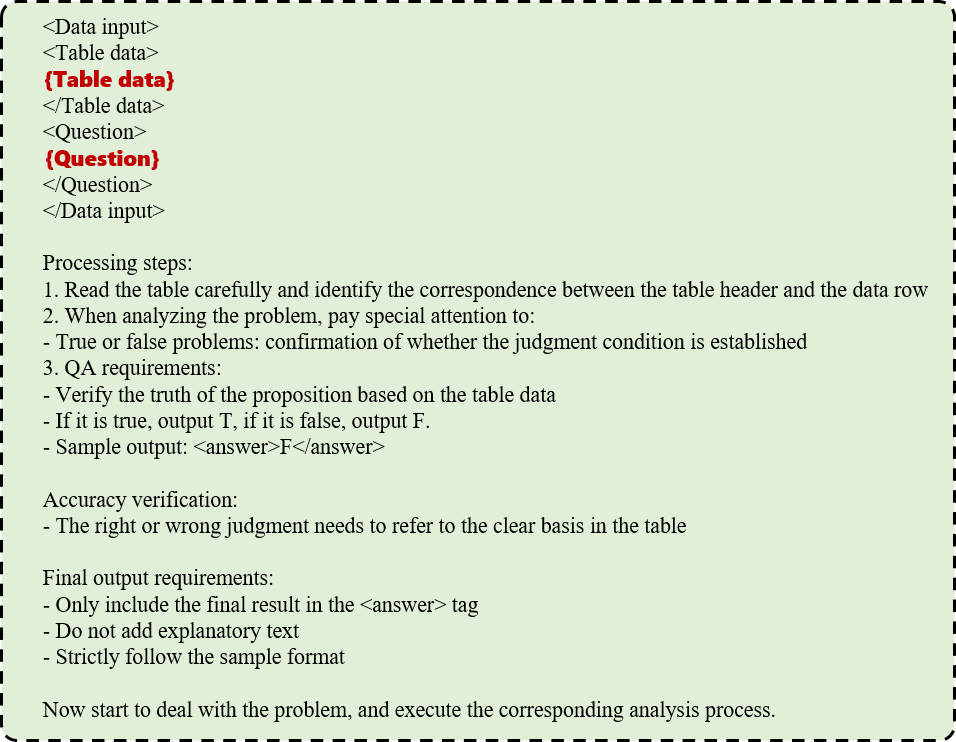
Instruction

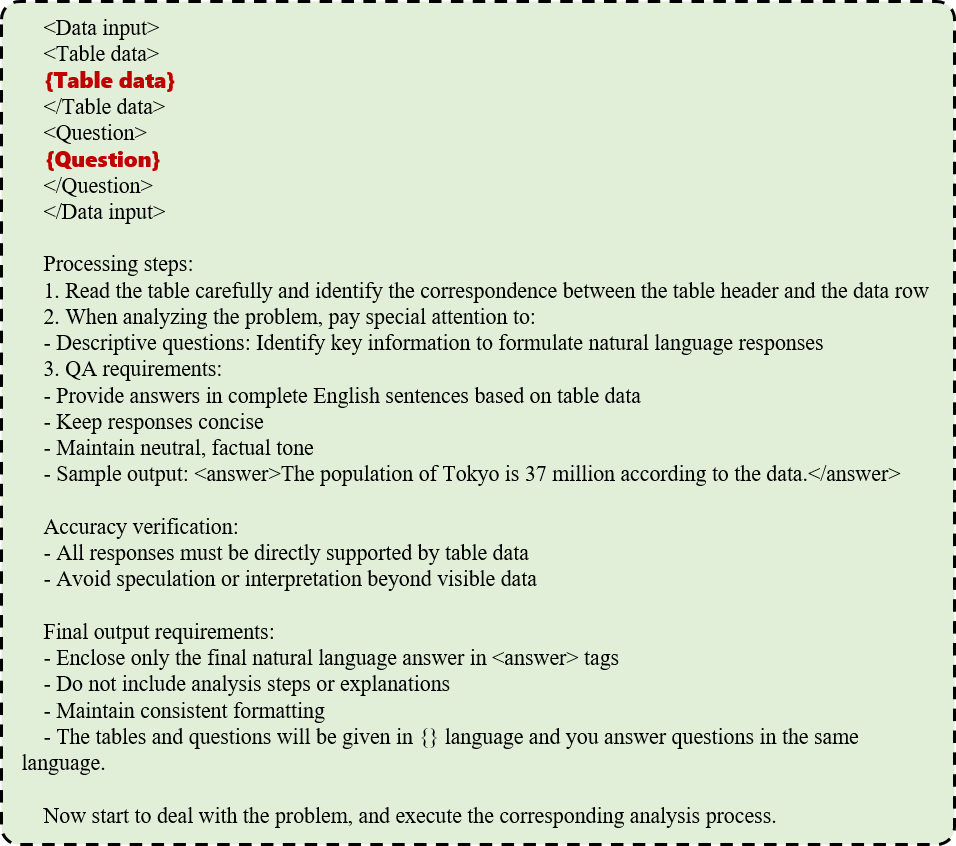
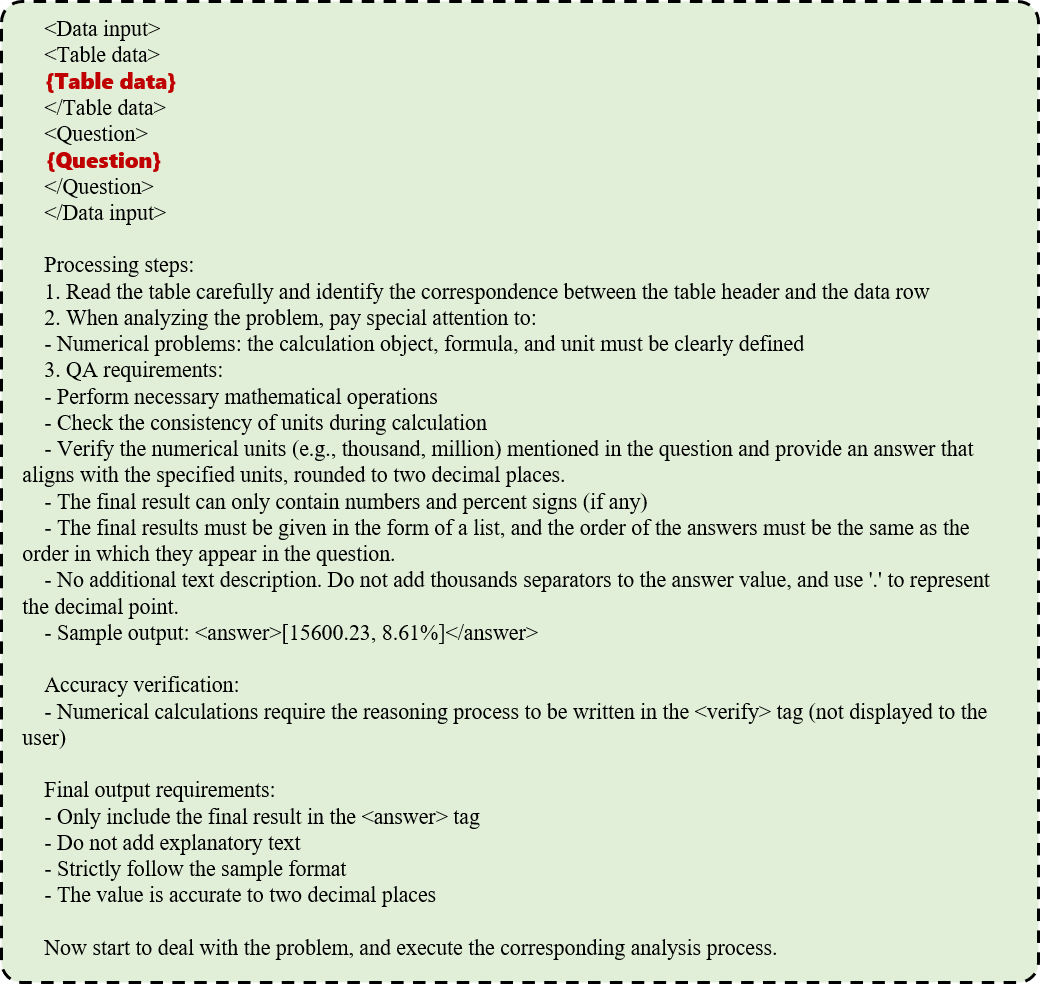
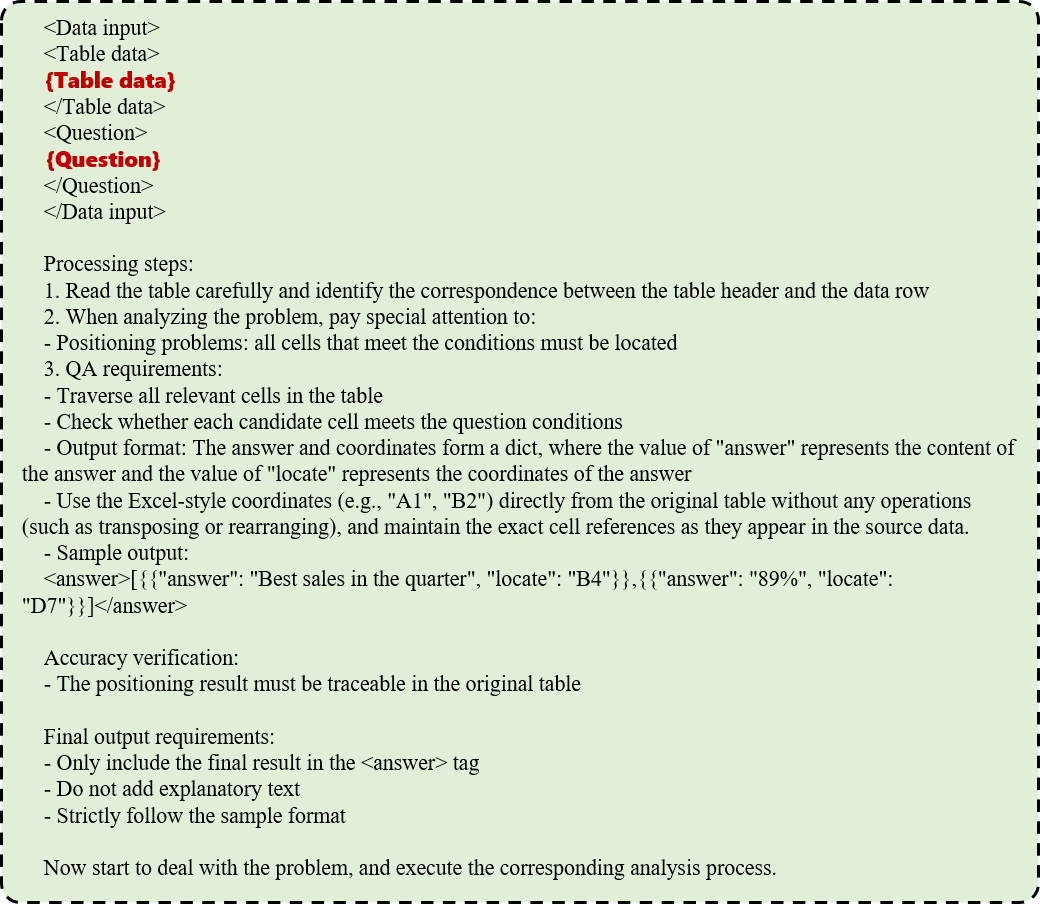
The prompt for different tasks, where {Table data} is the serialized table data and {Question} is the table question.
Attention-ResUNet模型架构图


Attention-ResUNet模型架构图

Data and Code

To promote the development of related research, the source code, training set, test set, and experimental configuration files of this paper have all been open sourced. Researchers are welcome to download, use, and improve them.

Author Information

Daixin Shu

PhD

CCSE, Beihang University

shudx@buaa.edu.cn

Jian Yang

Associate Professor

CCSE, Beihang University

jiaya@buaa.edu.cn

Zhoujun Li

Professor

CCSE, Beihang University